
October 18, 2026
Payments & Apps
China’s departure tax refund pays 11%, about 9% after fees. The 200 yuan threshold, the 90-day window and the 2026 paperless process, from official rules.
• The short answer: 11% back, within 90 days • Who counts as an overseas traveller • The five conditions, one by one • What changed in 2025, and why it matters • How much of the China tax refund you actually get back • Step by step: the paperless China tax refund process • The instant refund option, and its catch • What you cannot claim • Five ways to void a refund • Keep planning
You bought a jacket in Shanghai, a tea set in Chengdu, or a pair of shoes in Beijing, and somewhere on the receipt there is a line of Chinese you did not read. That line is the China departure tax refund, and part of that money comes back to you when you leave the country — except that a lot of travellers never claim it, either because they did not know the rule or because they knew an old version of it.
The old version is the problem. Until April 2025 the minimum spend to qualify was 500 yuan, and plenty of English-language guides still quote 500 with a 10,000 yuan cash ceiling. Both figures are now wrong. The threshold is 200, the cash ceiling is 20,000, and since 1 July 2026 the paperwork itself has gone. This guide uses the rules as published by China’s tax authorities and customs, checked on 18 October 2026.
China’s departure tax refund returns the VAT on goods you bought in China and are taking home. For goods taxed at 13%, the refund rate is 11%. For goods taxed at 9%, it is 8%. You must leave within 90 days of the purchase date, the goods must be unused, and they must actually leave the country with you.
Three things follow from that, and each one catches people out: the clock starts at purchase, not at the start of your trip; the goods cannot be mailed home; and “used” includes worn, opened, or consumed.
The rule applies to foreign nationals, and to Hong Kong, Macao and Taiwan compatriots, who have continuously resided in mainland China for no more than 183 days. Longer than that and you are treated as resident, not as a visitor passing through.
Your ID matters too. The accepted documents are a passport, a Home Return Permit, or a Taiwan Compatriot Permit — specifically one that records or can capture the date you last entered China. That last detail is not cosmetic: the 183-day test and the 90-day window both depend on dates the officer has to be able to read off your document.
A refund requires all five. There is no partial credit for meeting four.
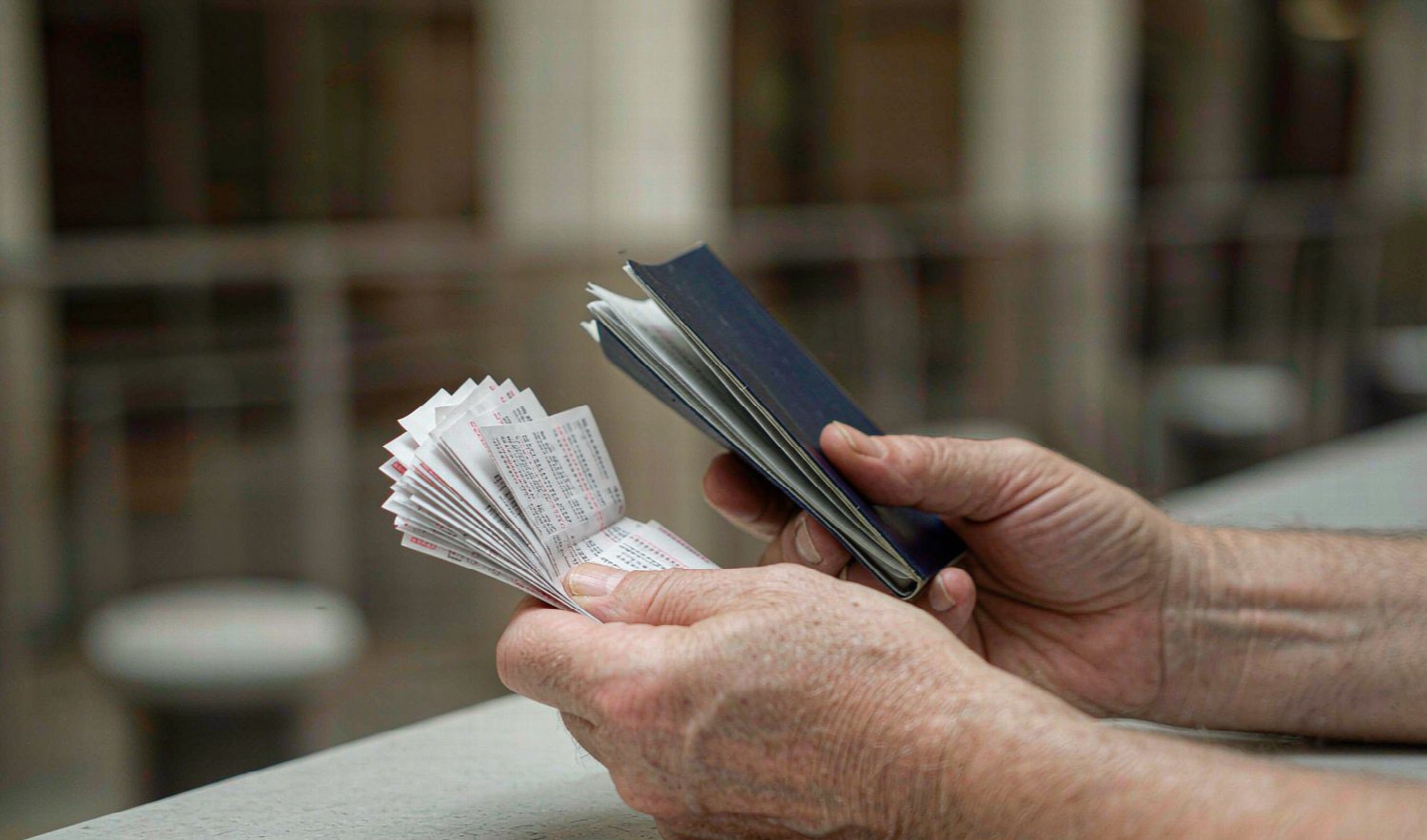
One: spend at least 200 yuan at the same store on the same day. The threshold applies per store per day, so three purchases at the same shop on the same afternoon accumulate. Purchases at three different shops do not.
Two: the goods are unused. Not worn, not opened, not eaten.
Three: you leave within 90 days of purchase. If your trip runs longer than that, the purchase is out of scope no matter what else you do right.
Four: the goods leave with you — carried or checked as accompanied baggage. Shipping them separately breaks the condition.
Five: the goods are eligible. Prohibited and restricted exports are excluded, as are goods sold VAT-exempt in refund stores, and anything else the finance, customs and tax authorities exclude.
The April 2025 revision to the refund rules made four changes. Two of them change what you can claim.
The minimum spend dropped from 500 yuan to 200. That is the difference between “not worth bothering” and “claim it” for a single mid-priced purchase, and it means a great many more receipts now qualify than the older guides suggest.
The cash refund ceiling rose from 10,000 yuan to 20,000. Below that figure you may choose cash or bank transfer; above it, bank transfer is mandatory. Refunds are paid in renminbi, not in your home currency.
The other two changes are administrative: the tax-credit rating required to register as a refund store was widened to include M-grade businesses, and registration moved from the provincial level down to the local tax office. Those do not change your paperwork, but they do mean the number of participating stores can grow faster than a static list would suggest — which is a reason to look for the refund sign in the shop rather than to trust a directory.
A second round of changes took effect on 1 July 2026, and this time it was the process rather than the eligibility that moved. Registration became paperless, the customs stamp became a scan, and small claims stopped being inspected one by one. The airport sequence below reflects the current version, not the one most guides describe.
The official formula is: invoice amount including VAT, multiplied by the refund rate, minus the refund agency’s handling fee.
The fee is two percentage points, and unlike the threshold it has not changed. So the real numbers are 11% headline turning into roughly 9% in your hand for 13%-taxed goods, and 8% turning into roughly 6% for 9%-taxed goods. A 2,000 yuan purchase of 13%-taxed goods returns about 180 yuan, not 220.
That gap is why anyone quoting you the headline rate as your net refund is overstating it. To know which rate applies to your purchase, read the VAT rate printed on the invoice — that is the only reliable signal, and it is the reason to keep the invoice rather than photographing the shelf tag.
Since 1 July 2026 the process is digital end to end. One QR code replaces the application form, the invoice copy and the customs stamp — which means the old advice about keeping paper documents is now advice about keeping one thing on your phone.
Before you shop: register the code. After you enter China, open the departure tax refund QR code in your phone browser and submit your identity details once. That generates a personal refund service code that works nationwide, at any refund store and any departure port. Do it on day one. It takes a minute, and nothing downstream is possible without it.
At the shop: say you want a tax refund and show the code. Staff scan it, your identity is captured electronically, and an electronic refund form is pushed to your phone. Nothing is printed, nothing needs to be kept dry. Purchases at the same store on the same day still accumulate toward the 200 yuan threshold.
At customs, before you check in: present the code and the goods at the departure port. Customs scans it, pulls the electronic form and invoice, and verifies online. This still has to happen before baggage drop for anything you are checking, because the goods must physically be with you.
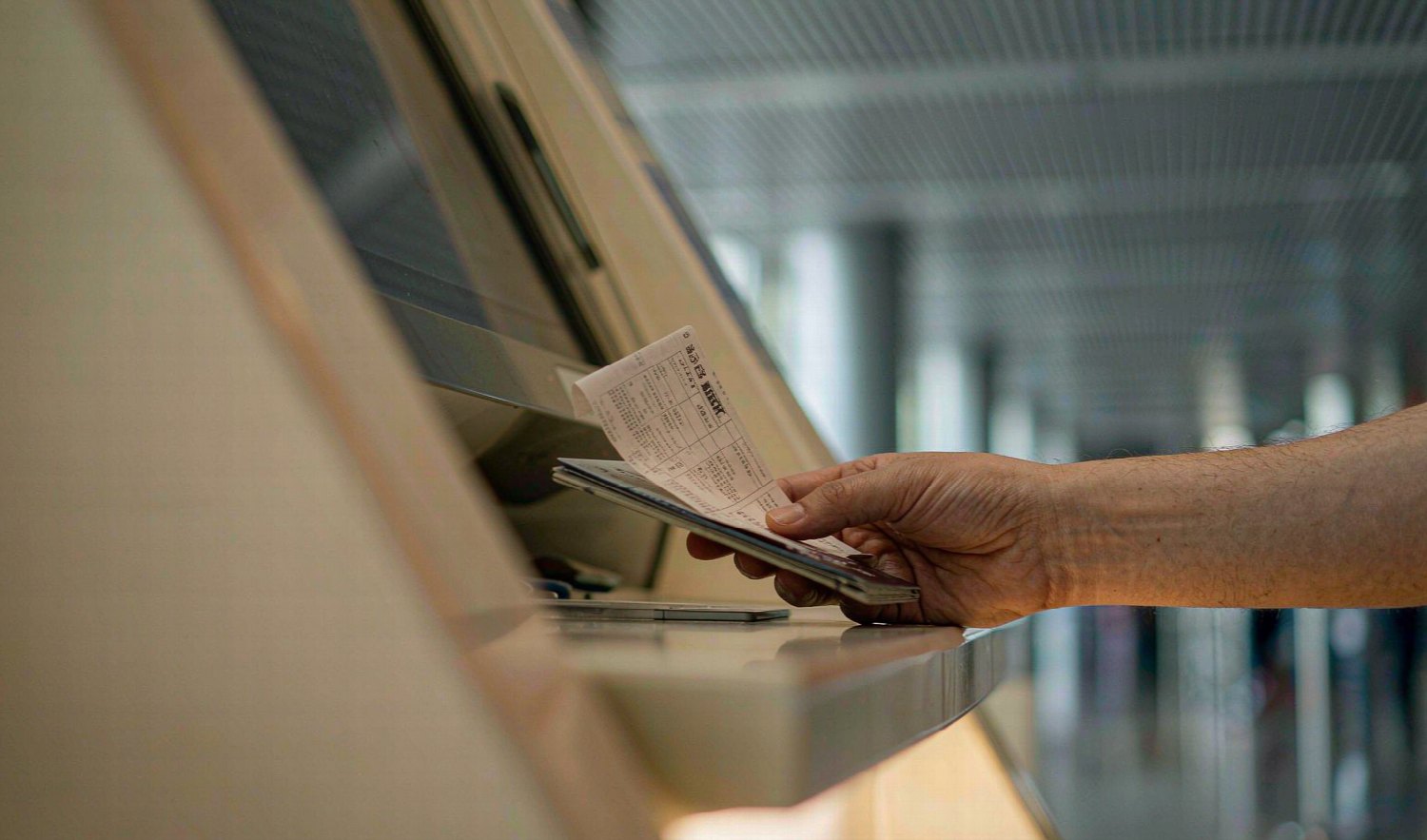
What actually changed here: applications covering goods under 10,000 yuan are now inspected on a random sampling basis instead of one by one. Most travellers clear in about a minute, and if you are not selected you go straight on to the refund counter. Claims of 10,000 yuan or more are still inspected item by item, so build in time if you bought something expensive.
At the refund agency, after security: the agency sits inside the departure area. Present your ID and the code, and choose cash or bank transfer. Refunds are paid in renminbi, not in your home currency.
Not every port can do this. A departure port only qualifies if it is officially open and has a refund agency on site; air, water and land ports can all qualify, but the presence of the agency is what matters. Check your specific departure point before you build a shopping plan around the refund.
Some refund stores offer an “instant refund” service, which moves the money to the front of the process. At purchase, you provide a credit-card pre-authorisation and sign a consent form, and the store pays you an advance equal to the refund on the spot.

The catch is that this does not remove the customs step. You still have to declare the goods and have them verified on the way out. Afterwards the agency reviews the record: if you left within the permitted window from a designated port and everything conforms, the pre-authorisation is released and the advance counts as your refund. If it does not conform, the advance is clawed back through that same pre-authorisation.
In other words, the instant refund is a cash-flow convenience, not a shortcut. If you take the advance and then skip customs verification, you have not gained anything — you have simply borrowed money you will repay.
Three categories are excluded. Prohibited and restricted exports, which include far more than most travellers expect: precious metals, currency, cultural relics, endangered plants and animals and their products, and radio transmitters. Goods sold VAT-exempt in refund stores — the refund exists to return VAT, so where no VAT was charged there is nothing to return. And anything else the three authorities exclude by regulation.
The practical version: if an item is the kind of thing customs cares about on the way out, assume it is not refundable until someone official tells you otherwise.
Using the goods before you fly. Wearing the jacket through security is the most common self-inflicted failure.
Packing refundable goods in checked baggage you drop before customs. Get the goods verified first, then check the bag.
Shopping before you register the code. A store cannot raise an electronic refund form against an identity the system has never seen. Register on arrival, not at the airport on your way out — by then the purchase is already in the past and the form was never created.
Missing the 90-day window. A long multi-country trip that ends in China more than 90 days after the purchase ends the claim.
Assuming an old threshold. If you walked past a 250 yuan purchase because you were working from the 500 yuan rule, that is a refund you chose not to take.
Departure tax refund is one of several money mechanics in a China trip, and it sits at the end of the chain rather than the start. Get the entry rules right first, then payments, then this.
If you are still working out how you will pay for things day to day, our fees and limits reference covers where each charge on a foreign card comes from, and the Alipay foreign card setup guide covers the binding process. If binding has already failed on you, the card binding troubleshooting guide explains why the decision is usually your bank’s.
And if the reason you are shopping in China is that you did not need a visa to get in, the visa-free entry rules explain which passports qualify and for how long — useful for knowing how much of the 90-day refund window your trip actually uses.
• Register the refund service code on arrival, not at the airport on the way out • Spend at least 200 yuan at the same store on the same day • Leave within 90 days and keep the goods unused and with you • Expect about 9% back, not 11% - the agency fee is 2 percentage points • Declare the goods at customs before you drop any checked bag
• Working from the old 500 yuan threshold. • Quoting 11% as the net refund instead of about 9%. • Shipping purchases home instead of carrying them out. • Assuming a 12,000 yuan claim skips inspection - only claims under 10,000 are sampled. • Shopping before registering the refund service code.
What is the minimum spend for a China tax refund?
200 yuan at the same store on the same day, down from 500 yuan since April 2025. Purchases at different shops on the same day do not add up. Checked 18 October 2026.
How much of the VAT do I actually get back?
The refund rate is 11% for goods taxed at 13% and 8% for goods taxed at 9%. The agency deducts a 2 percentage point handling fee, so the net is roughly 9% and 6% respectively.
Do I still need paper forms for a China tax refund?
No. Since 1 July 2026 the process is paperless: register once by scanning the refund QR code after you arrive, and the same service code works at refund stores and at customs on departure.