
Southwest China Travel Guide
Chengdu
成都
Why visit Chengdu
The home of giant pandas and one of China's easiest slow-travel bases, with teahouses, Sichuan food, heritage lanes, and western China gateways.
- Pandas
- Food
- Teahouses
- Slow travel
Top attractions in Chengdu
What to eat in Chengdu
- Sichuan hotpot
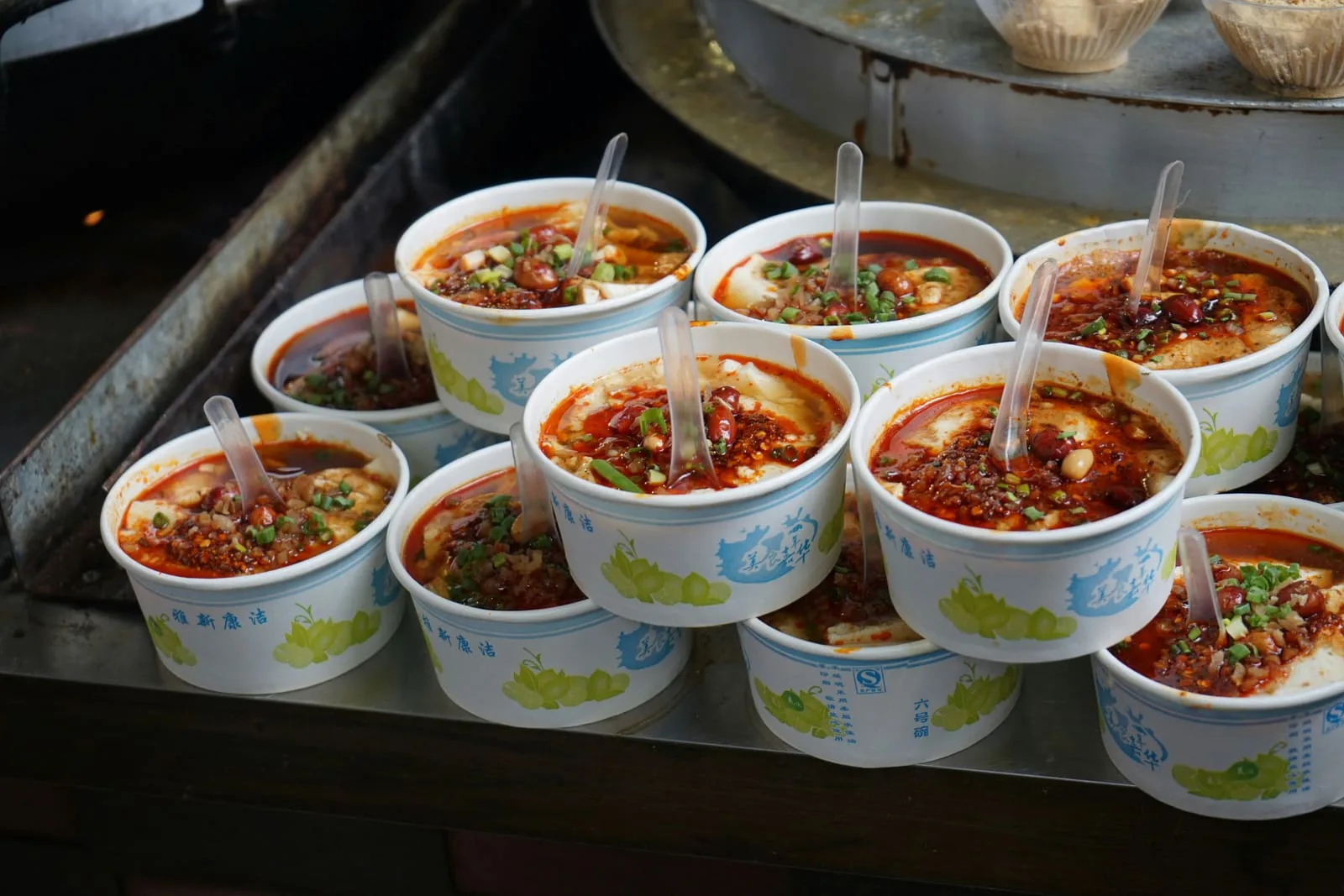
- Mapo tofu
- Dan dan noodles
- Chuan chuan skewers
Getting around and planning
Chengdu is easy by air and high-speed rail. Stay near Tianfu Square, Chunxi Road, or a metro line.
When is the best time to visit Chengdu?
Late March to May and September to early November are the two comfortable windows. Chengdu's annual mean temperature sits between 15.9 and 17.5 degrees Celsius, spring arrives in early March, summer in late May, autumn in mid-September and winter in late November, so both windows land on mild, walkable weather without the summer humidity.
The city's defining feature is cloud, not cold. Chengdu averages roughly 1,020 hours of sunshine a year and 80% relative humidity, which is why a clear sky counts as an event. Build outdoor days flexibly and keep an indoor alternative ready -- the teahouses and museums are not a consolation prize here, they are the reason many people come.
Summer is heavier than the thermometer suggests. June to August carry most of the year's rain -- summer rainfall averages 566.8 mm against 31.2 mm in winter -- and the humidity makes 30 degrees feel like 35, although Chengdu still runs 2 to 4 degrees cooler than Chongqing, Wuhan and Shanghai at the same latitude.
Winter is grey rather than harsh: drizzle, few sunny days, and the quietest months at the panda base. If your dates are fixed in July or August, plan around mornings and evenings rather than the middle of the day.
How do you get into Chengdu from the airport?
Check which airport your ticket names before you arrange a transfer. Chengdu runs two of them: Shuangliu (CTU), served by metro Line 10 with a station at each terminal, and Tianfu (TFU) in the southeast, served by Lines 18 and 19. They sit on opposite sides of the city and are not interchangeable.
Tianfu is the easier of the two by rail. Line 18 and Line 19 both stop at Tianfu Airport Terminal 1 and 2, a station built inside the airport's ground transport centre on level B1, so you come out of the ticket gates and walk straight to check-in and the self-service bag-drop machines.
Line 18 runs a split service worth knowing about. The direct train stops only at South Railway Station, the airport terminal station and Tianfu Airport North, covering the run from South Railway Station in about 33 minutes; the earliest direct service reaches the terminal at 6:28, which is what makes a morning departure workable. Local trains stop everywhere and are the ones to take if your hotel is not on the direct route.
Fares are distance-based, and the airport's own transport page lists Line 18 at 10 yuan for the full South Railway Station to terminal run, and Line 19 at 12 yuan from Jinxing.
One naming trap on the Shuangliu side: Shuangliu Airport Terminal 2 on Line 10 and Shuangliu Airport Terminal 2 East on Lines 19 and 30 are two separate stations, and the transfer between them means exiting and re-entering rather than changing platforms in the paid area. Read the station name, not just the terminal number.
Arriving by high-speed rail instead? Read the station printed on your ticket -- Chengdu has several and they are not walkable from each other. South Railway Station is the city-centre terminus of Line 18, which makes it the easiest rail arrival to connect on to a flight. The high-speed rail guide covers how the stations are named and how the ticketing works.
Do you need to book the panda base in advance?
Yes, and further ahead than most visitors expect. The Chengdu Research Base of Giant Panda Breeding runs fully online, real-name reservations with a hard cap of 85,000 visitors a day -- 45,000 in the morning and 40,000 in the afternoon. Tickets open about 14 days ahead, and same-day entry exists only while that day's allocation lasts.
Book through the base's official WeChat account or one of the platforms it lists as authorised. Tickets from unlisted resellers may not scan at the gate, and the base states plainly that it does not sell "fast entry".
A passport works. The base lists passports among the accepted identity documents at its staffed original-ID channel, so foreign visitors do not need a Chinese ID card -- but the name on the booking has to match the document you present.
The ticket is also timed. Morning and afternoon are separate allocations and you enter once inside your slot, so turning up early with an afternoon ticket only means waiting.
Hours move with the season. March to October: morning entry 7:30 to 12:00, afternoon 12:00 to 17:00, the park clears at 18:00. November to February: 8:00 to 12:00 and 12:00 to 16:30, clearing at 17:30. Tickets are 55 yuan for adults and 27 yuan for students; visitors aged 60 and over, and children under 6 or 1.3 metres, enter without a reservation on presentation of ID.
Timing matters more than price. Pandas are most active in spring and autumn, and in summer they retreat indoors as the heat builds, so take the earliest slot you can get. Plan on a half day on site; the Giant Panda Base attraction page covers what is inside the park.
How do you eat Sichuan food if you cannot take the heat?
Sichuan cooking is not one flavour. The province leans on numbing as much as heat, and a large part of the repertoire is neither: clear broths, tea-smoked duck, sweet-and-nutty noodles, and the whole teahouse snack menu sit outside the chilli.
Three phrases do most of the work: bu yao la for no chilli at all, wei la for mild, and qing tang or bai wei for the plain version of a dish. In hotpot, ask for a yuan yang pot -- a split vessel with a mild broth on one side -- and you get the ritual without the tears.
Two habits make dinner easier. Order one vegetable dish and plain rice to reset your palate between bites, and expect the dipping bowl to be where the heat is actually calibrated: the sesame oil and garlic version is mild, the chilli oil one is not.
Ordering itself is phone-based almost everywhere. The food ordering guide walks through the QR menu flow, what the buttons mean, and how to ask for no coriander.
Where should Chengdu sit in a longer China trip?
Chengdu is the hinge of western China. The airport and rail links make it the natural first or last stop before the plateau and the southwest, and it is the one big city on this side of the country where a slow itinerary does not feel like wasted time.
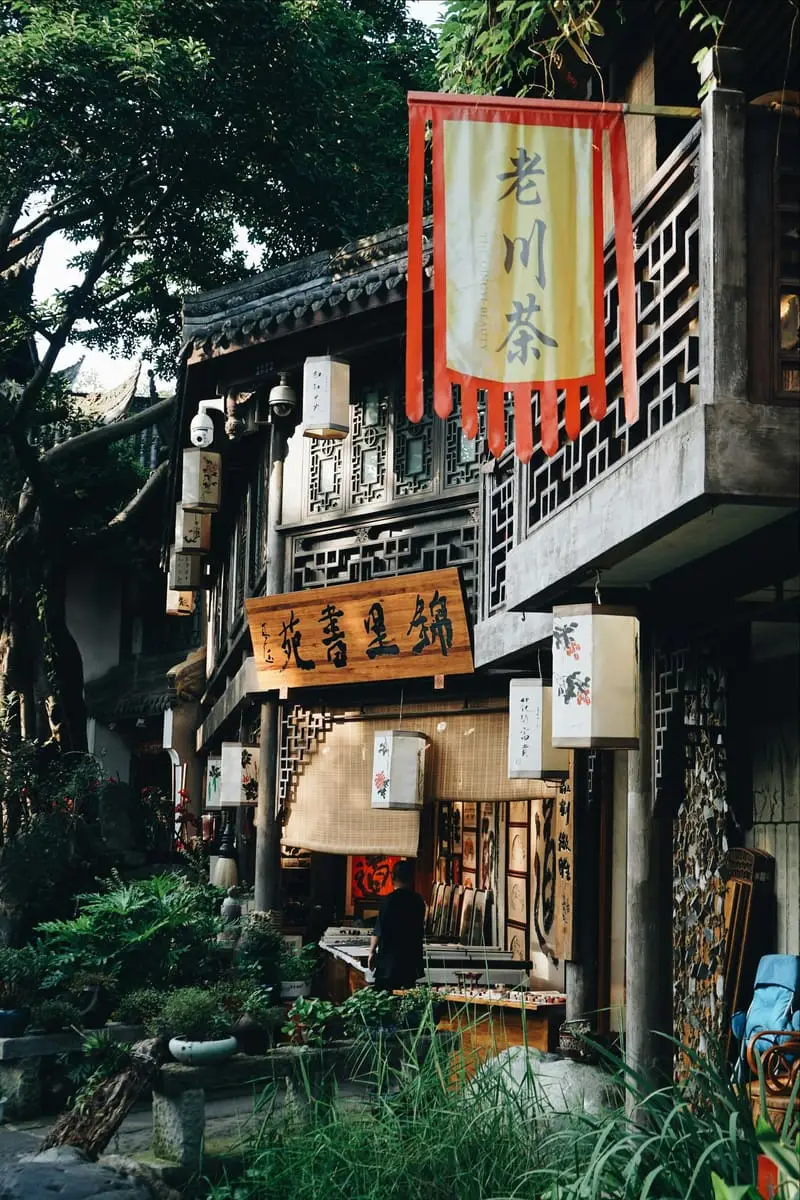
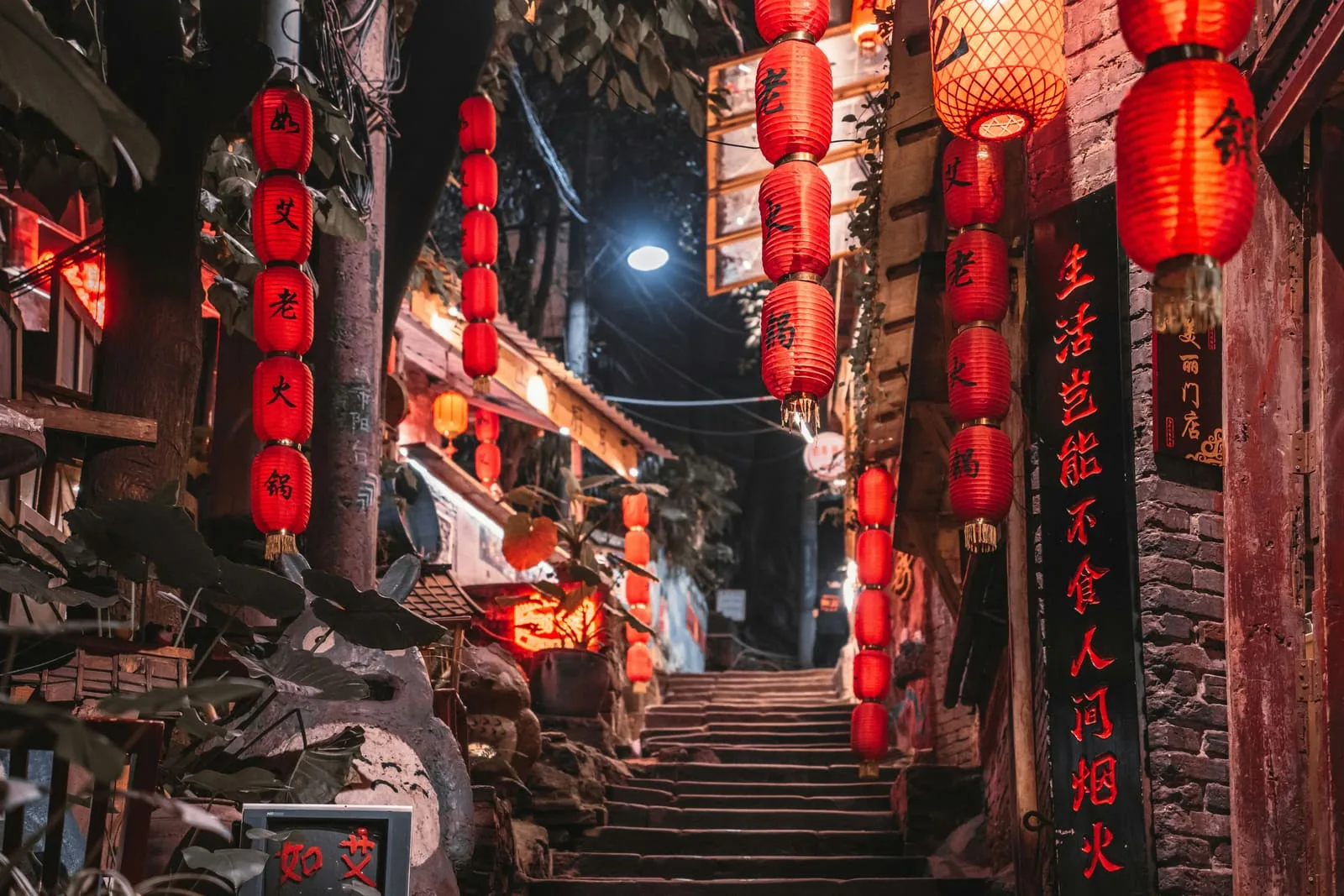
Three days in the city covers the pandas, a teahouse afternoon in People's Park, Wenshu Monastery and the lanes around Kuanzhai Alley. The 3-day Chengdu itinerary sequences them without doubling back.
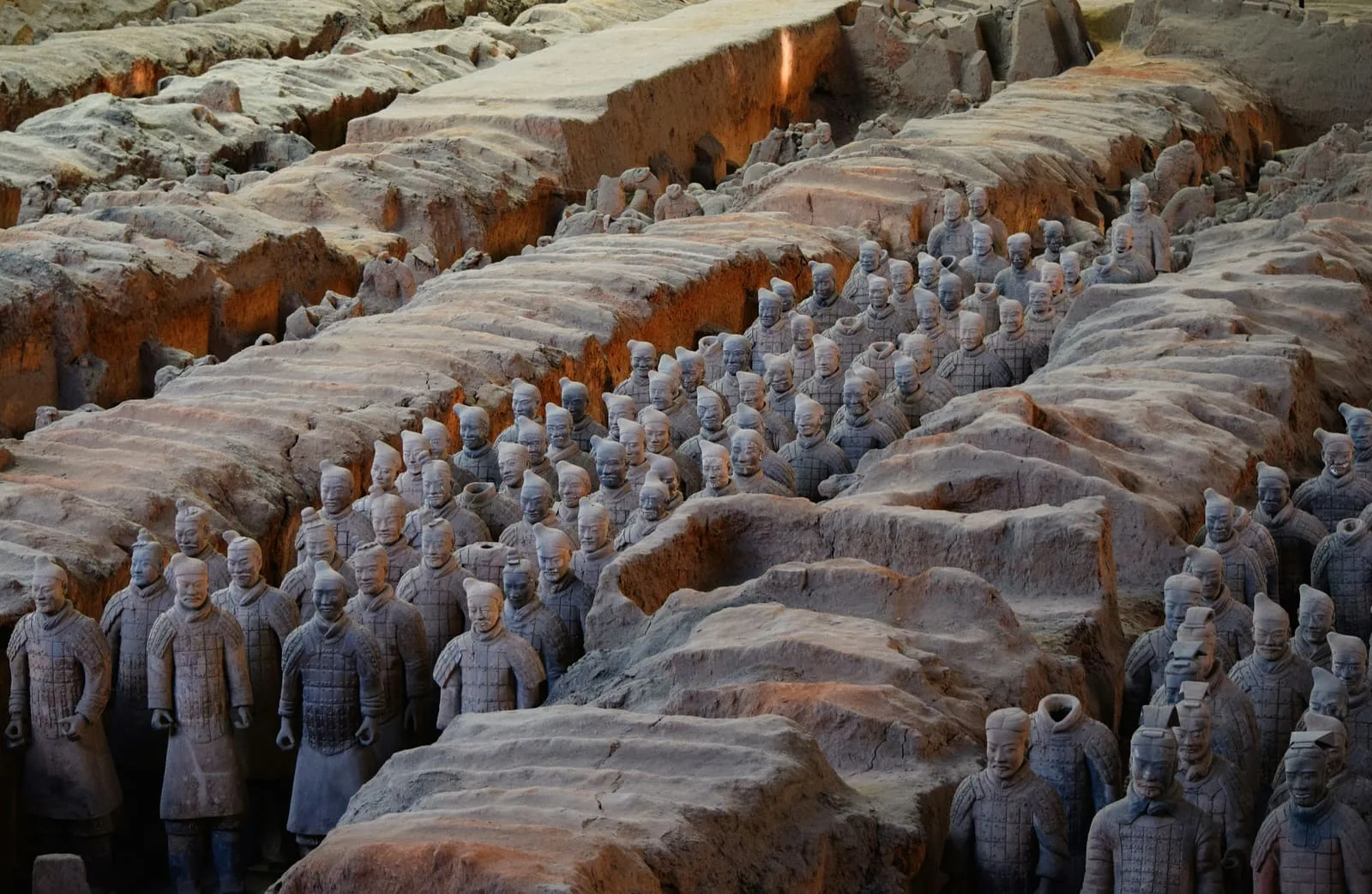
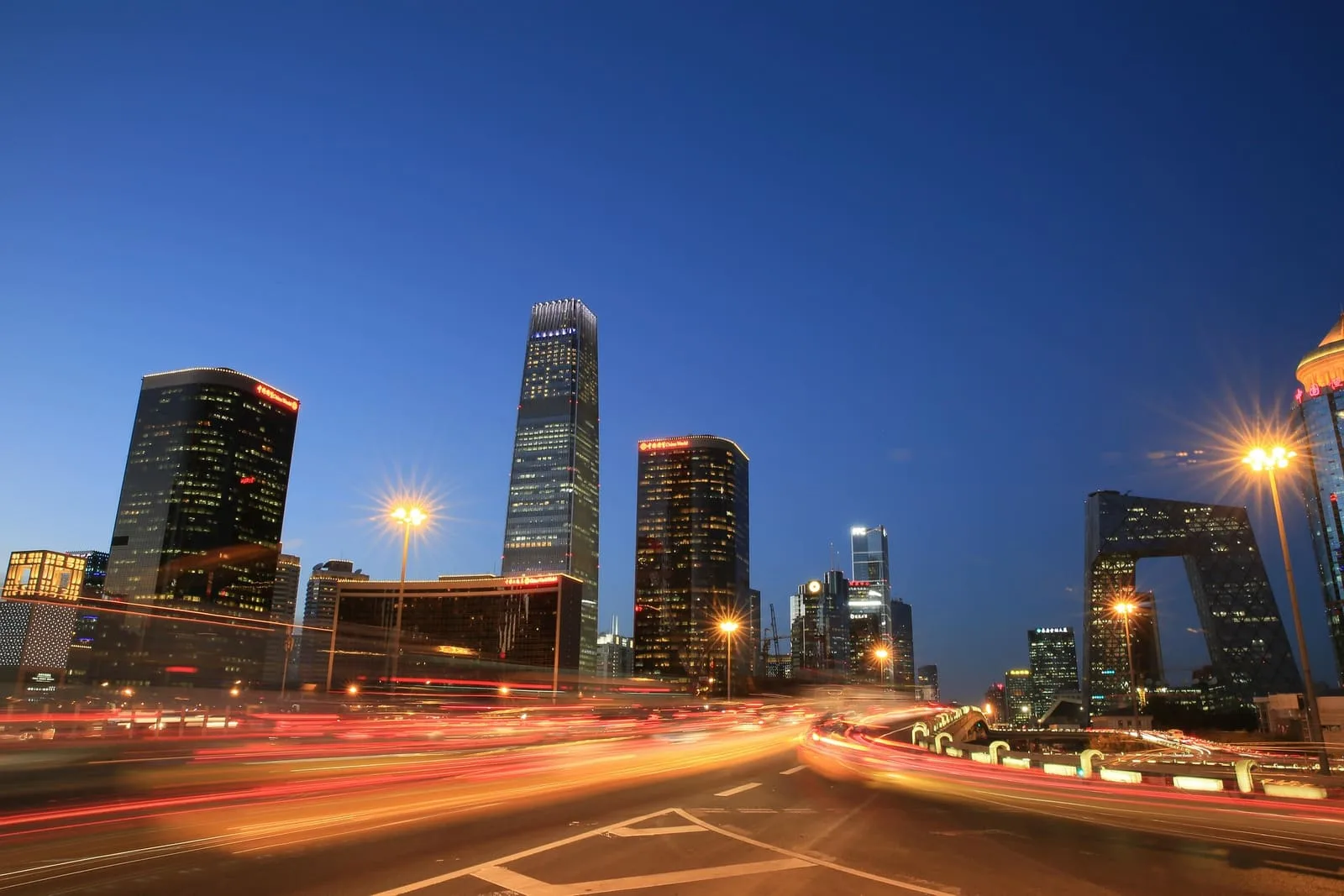
Add Chongqing for the river city: the two are close enough by high-speed rail to make a single trip of it, which is the shape of 5 days across Chengdu and Chongqing. Pairing with Xian for the terracotta army and the city wall is the other classic, set out in 7 days through Chengdu, Xian and Beijing.
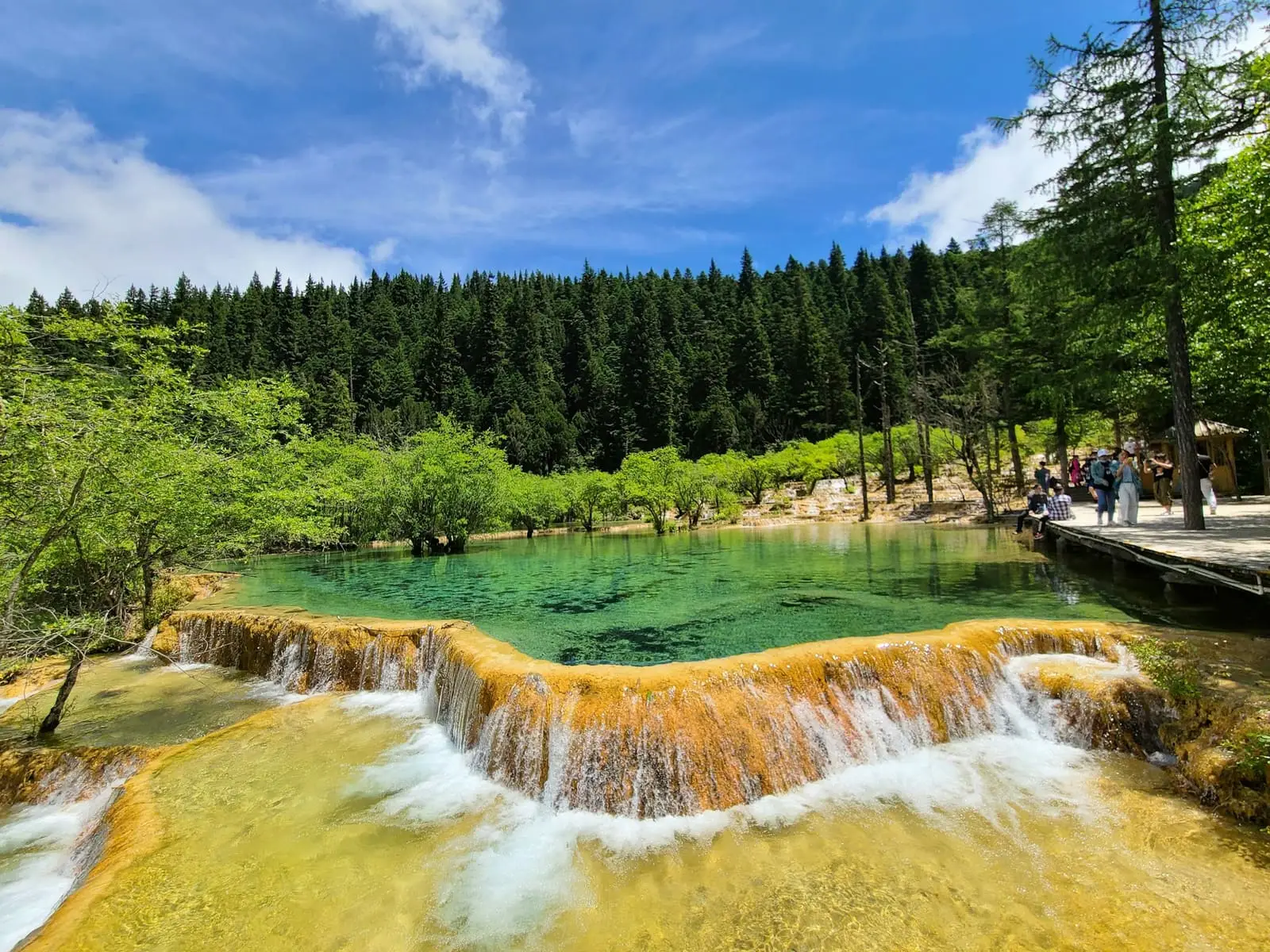
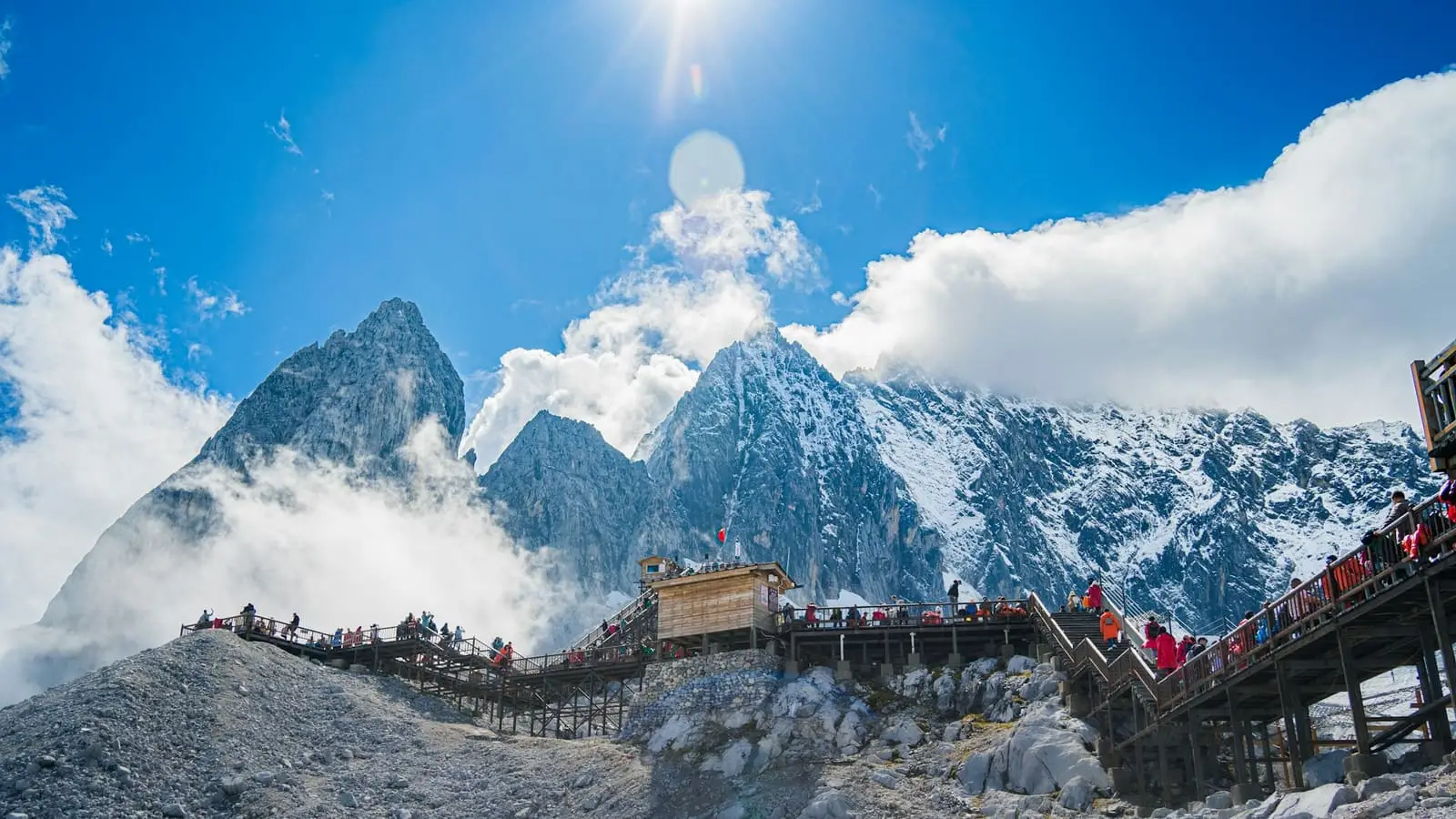
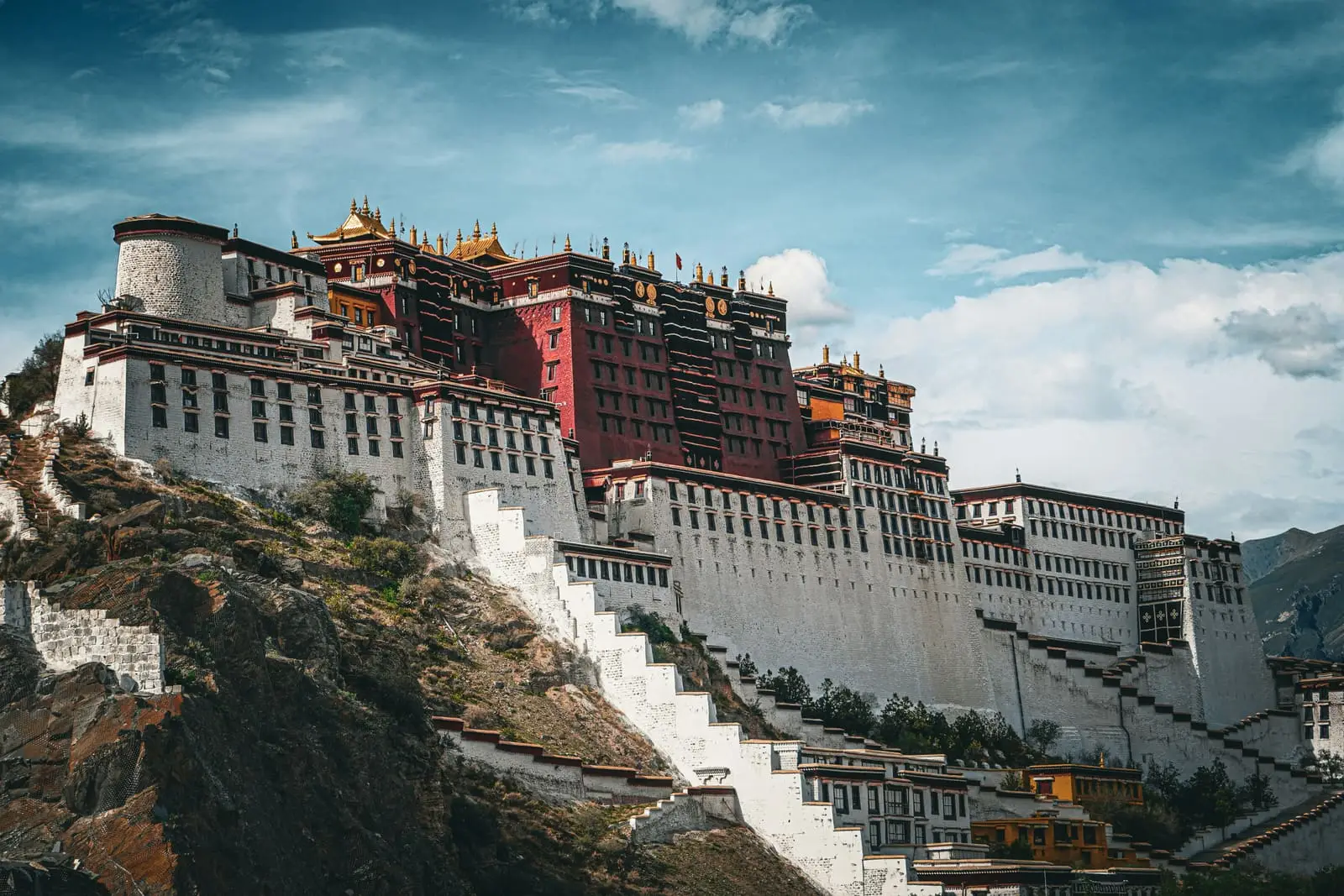
Heading west is the other direction. Jiuzhaigou and Lijiang are the usual next legs, while Lhasa is the one that needs real planning -- permits, altitude, and a slower schedule.
For a longer route, 10 days across Beijing, Xian, Chengdu and Shanghai shows how the four fit together, and Chongqing carries its own arrival and season notes.
Photo gallery



More cities to pair with Chengdu
How many days should you plan for Chengdu?
Routes that include Chengdu range from 3 to 10 days. Each route lists its pace, entry logic, hotel base and a day-by-day outline.
Before you go
Plan Chengdu activities
Check live prices, opening hours and availability for tours and tickets in Chengdu.
Check things to do on Trip.com
Prices and availability change frequently — always confirm the live price on Trip.com before booking. We use affiliate links and may earn a commission from qualifying bookings, at no extra cost to you.